May 2nd, 2025
So, you’ve finally got yourself a turntable. Maybe it’s perched proudly on a vintage teak sideboard, or maybe it’s nestled awkwardly next to a pile of cables and coffee mugs. That doesn’t matter – what does matter is the first moment you dropped the needle, heard that satisfying crackle, and realised… oh. This sounds different.
But here’s the thing: vinyl gives back what you put in. If you treat your records and your turntable well, they’ll reward you with sound that’s warm, rich, and full of life. But if you don’t… well, things can get scratchy – literally. And let’s be honest, turntables can be a bit intimidating at first. All those swingy parts, twisty knobs, and weird settings. But it doesn’t take a degree in audio engineering to keep your setup sounding fresh. Just a little know-how, a dash of care, and the occasional brush in the right place.

SPECIAL OFFER
Protect your records and gear with our range of vinyl and turntable care essentials. Buy any vinyl record and get 15% off product from our Vinyl and Turntable Care collection. Discount applied at the checkout.
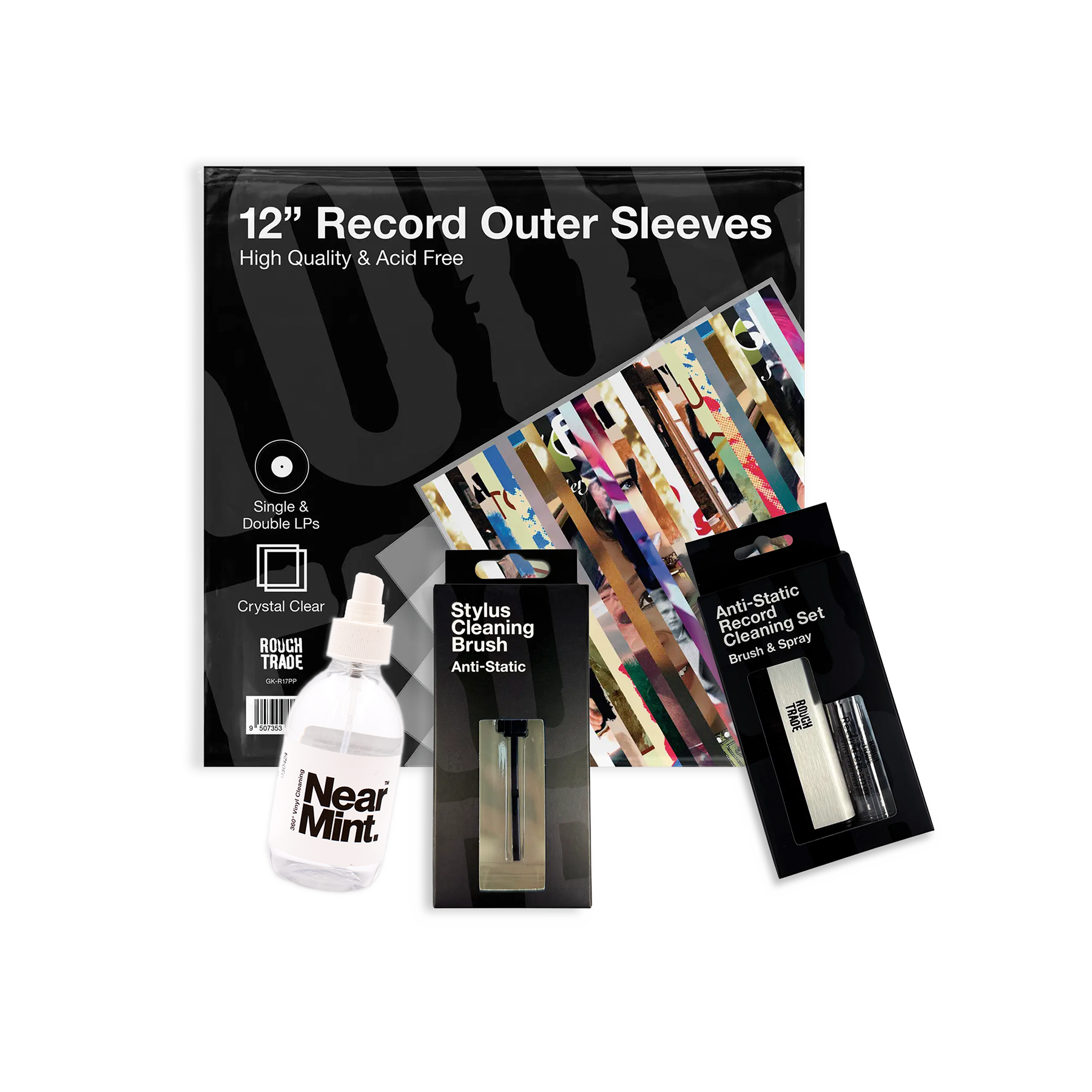
That fine layer of dust that seems to appear out of nowhere is not your friend. Especially not if you’re a turntable.
It might look harmless, but it clings to your stylus and nestles into the grooves of your records like it owns them. Over time, that buildup dulls the sound and can wear out both your stylus and the vinyL itself. Think of it as audio sandpaper. Not ideal.
What to do:
Honestly, cleaning your setup regularly is like brushing your teeth. Miss it for a few days and things get nasty.
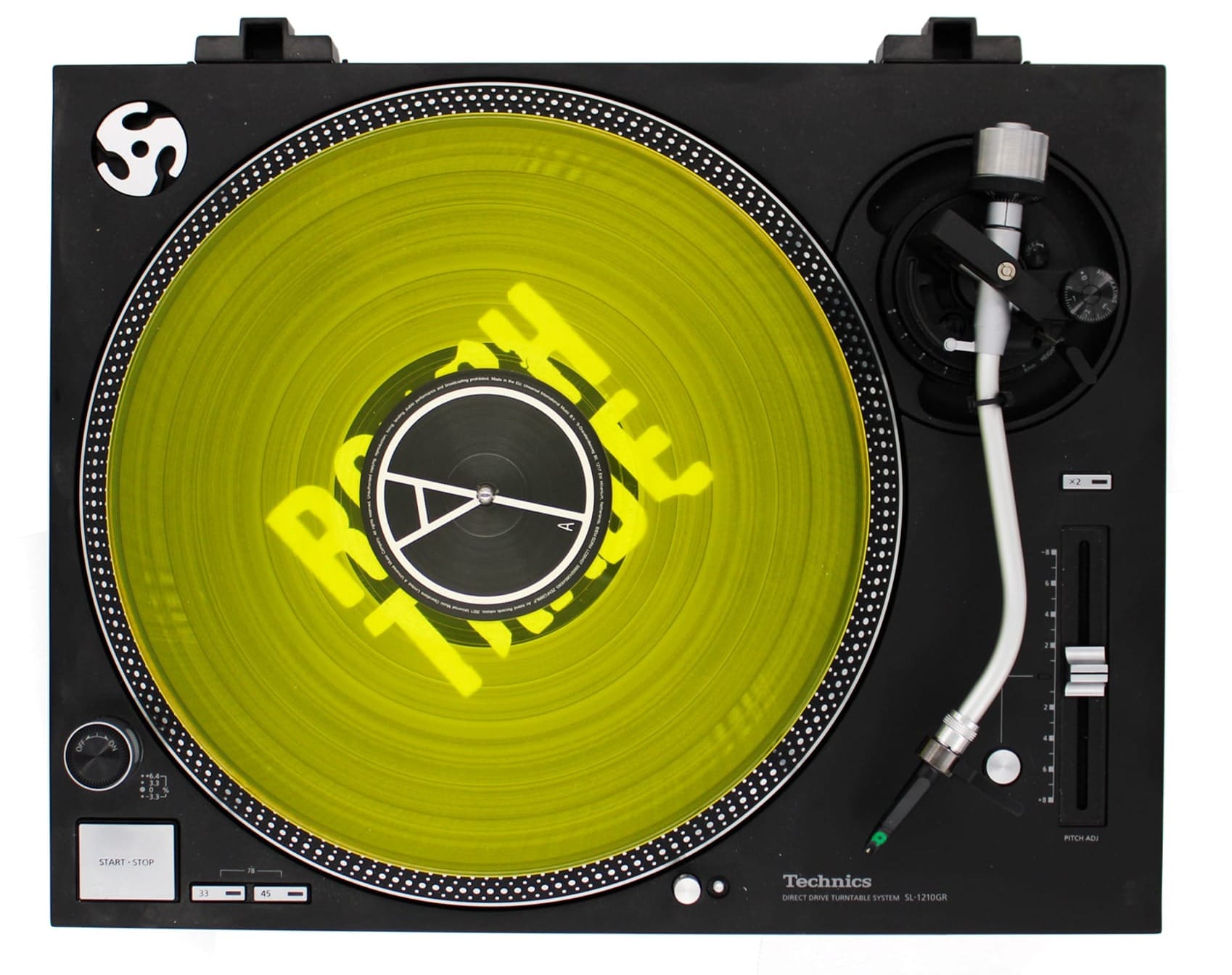
Here’s one a lot of folks skip: your turntable needs to be level. Like, spirit-level flat. Not “looks fine by eye” flat. Because when your table’s off-kilter – even just a bit – your tonearm angle changes, which throws off tracking. The result? Your stylus can’t sit properly in the groove, which means distortion, skips, and long-term damage.
Try this:
It might seem minor, but this is foundational stuff. Imagine riding a bike with one wheel smaller than the other – it’ll still roll, but it’s never going to feel right.
Here’s a harsh truth: styluses (or styli, if you’re fancy) wear out. They’re designed to. That tiny diamond tip, tracking each microscopic ridge of your record? It’s doing intense work. Sooner or later, it dulls.
Most manufacturers say to replace your stylus after 500–1,000 hours of playtime. But honestly, that’s a guideline, not gospel. If you’re noticing:
Helpful hint: Keep a rough estimate of how often you spin records. If you’re playing an album or two daily, that stylus might need replacing once a year. Think of it like tyres on a car – you can push it, but eventually, it’ll affect your handling.
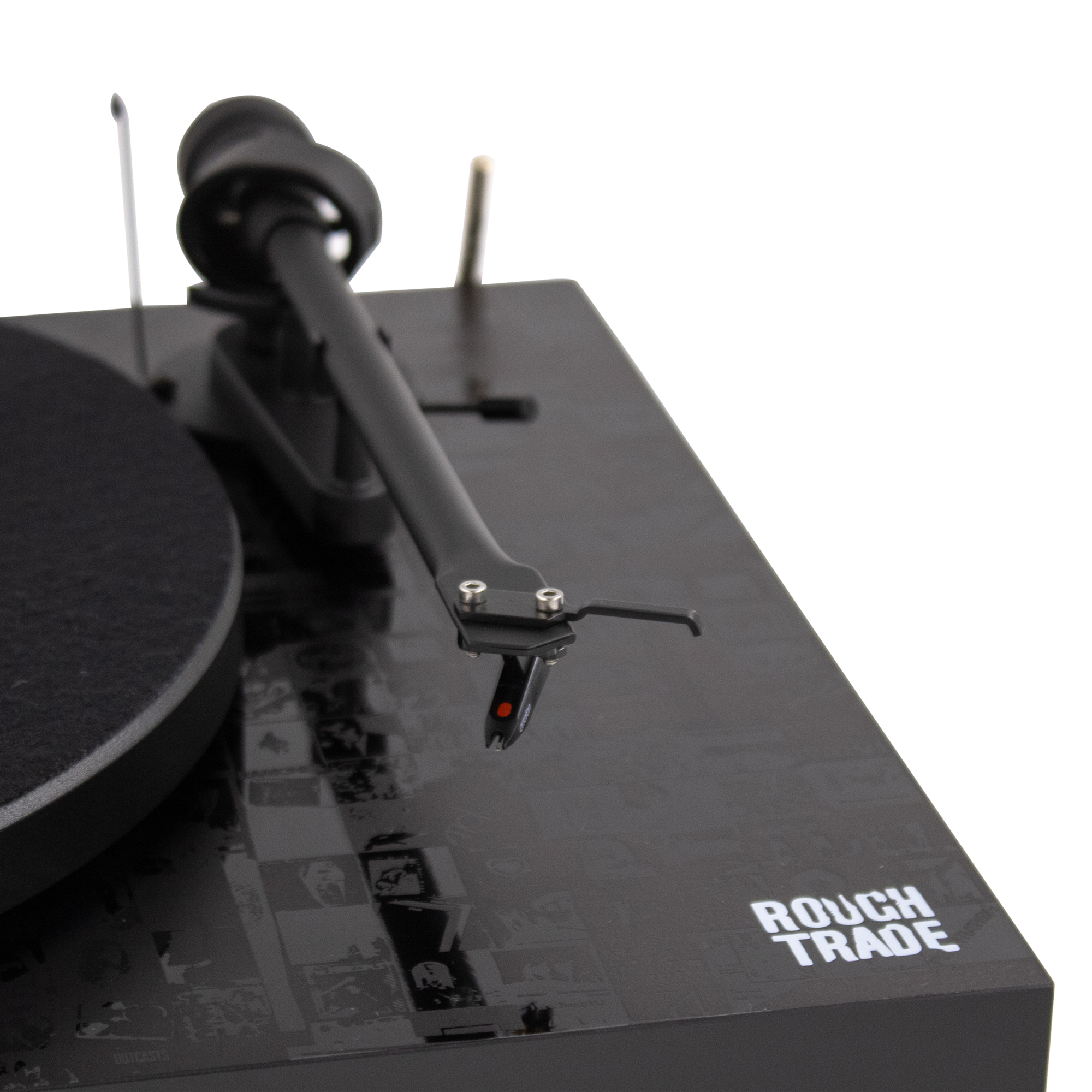
Okay, here’s where things get slightly nerdy – but stick with us. Your turntable’s tonearm needs a specific amount of downward pressure to track the grooves of a record. Too heavy? You’re grinding into the vinyl. Too light? It’ll skate across the surface and mistrack.
Most modern turntables (Rega, Pro-Ject, Audio-Technica) come pre-set or with guides to help you balance the tonearm. But double-check your cartridge’s recommended tracking force – usually 1.5 to 2.5 grams – and adjust accordingly using the counterweight on the back of the tonearm.
How to do it (quick version):
Think of it like tuning a guitar string – not enough tension and it flaps; too much and it snaps. Get it just right, and it sings.
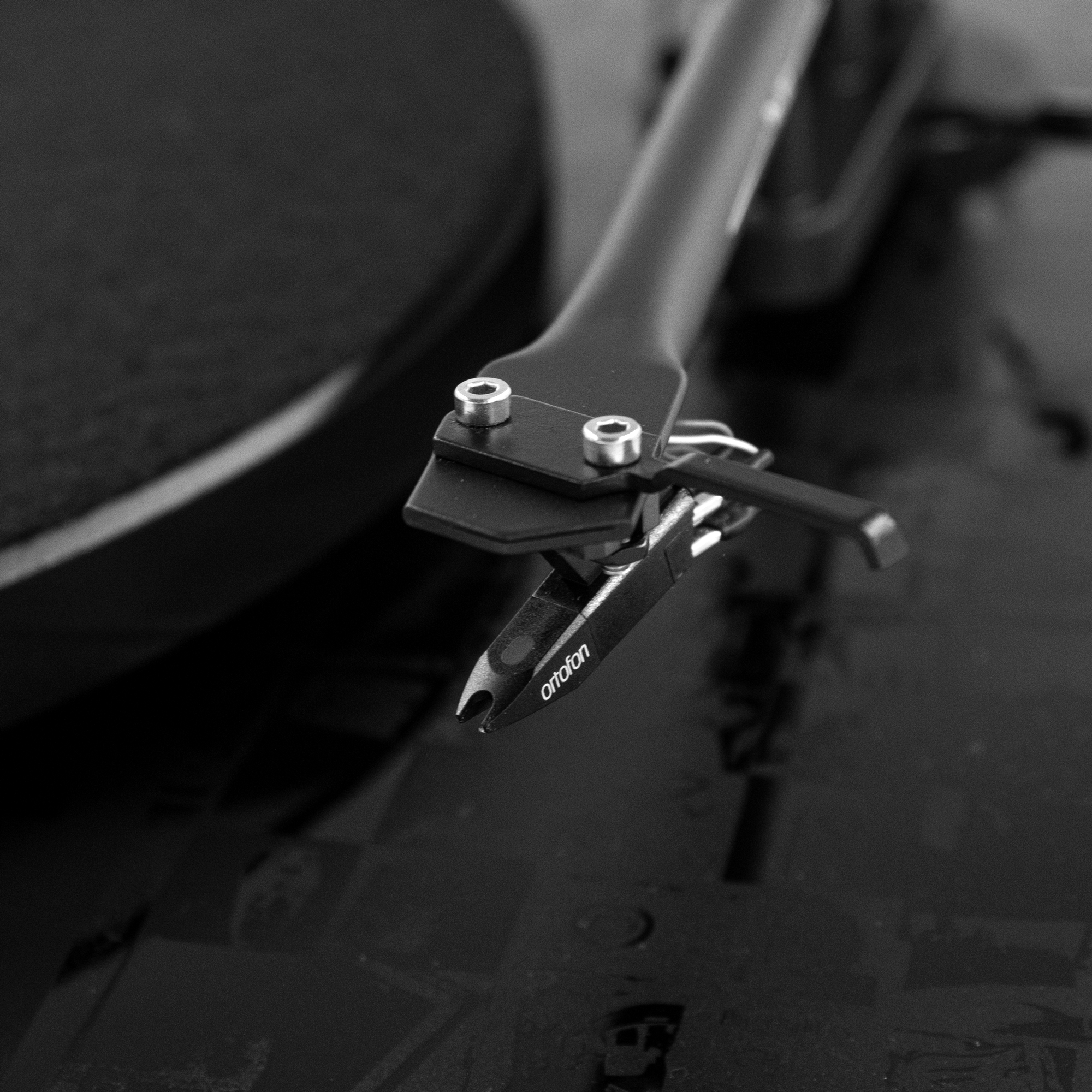
Let’s talk alignment. Cartridge alignment, to be specific. This one’s easy to overlook because it’s not something you see going wrong-until you hear it. Misalignment means the stylus doesn’t sit in the groove at the correct angle, which can cause inner groove distortion, uneven wear, and a general lack of musical magic.
Here’s what you need:
Follow the guides to make sure your stylus lines up correctly on the null points. If you’re using a stock turntable and haven’t changed your cartridge, you’re probably fine – but if you’ve upgraded or tweaked your setup, it’s worth double-checking.
Honestly, it’s a 15-minute job that could save your records and massively improve your soundsystem.
If you need to replace your cartridge, then look no further.
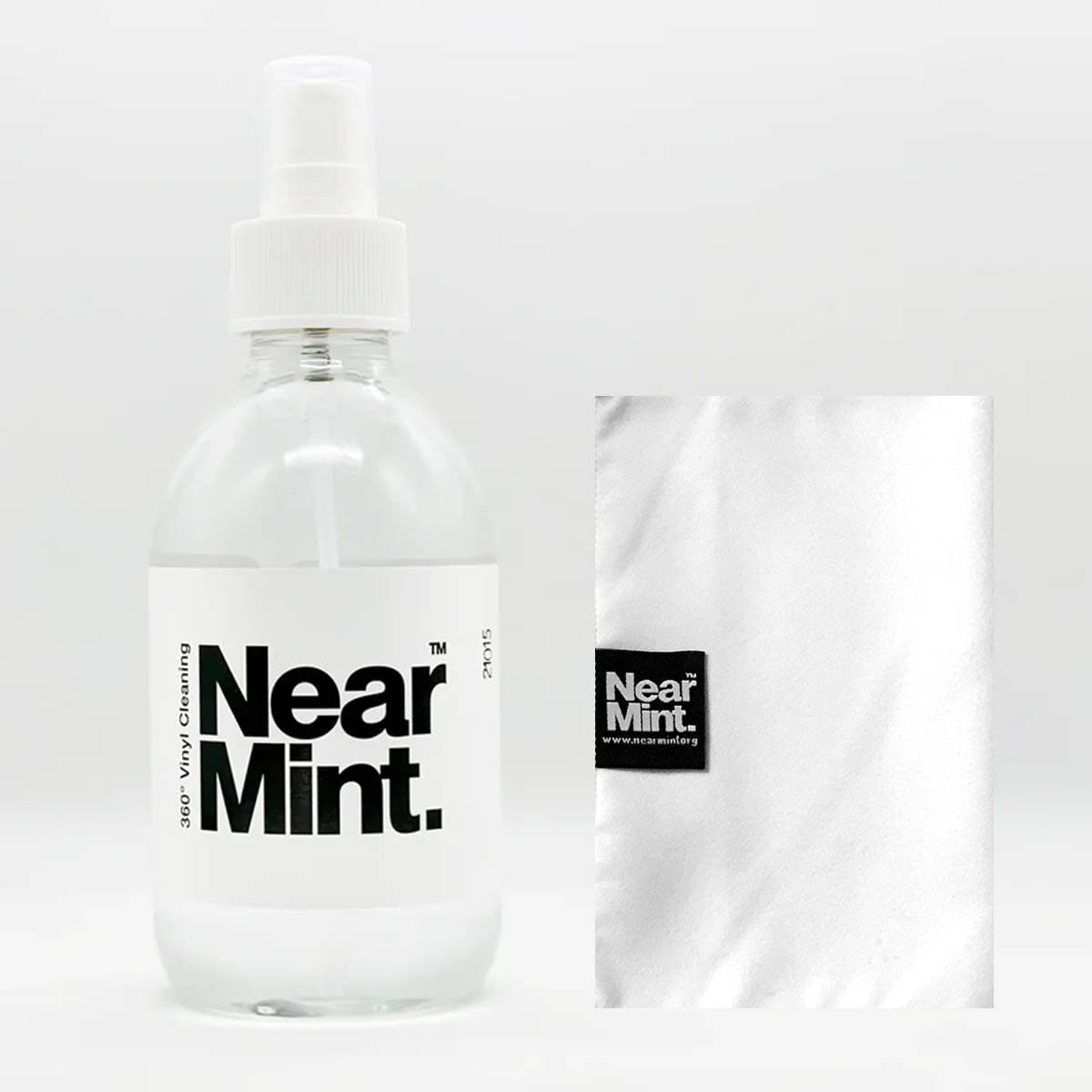
We’ve all done it. Picked up a secondhand record that looks fine, dropped the needle, and… oh dear. Crackles, pops, maybe even a skip or two. It’s not always scratches – it’s often dust, fingerprints, or mildew in the grooves.
Clean records aren’t just nicer to listen to – they help keep your stylus in good shape. Grime on vinyl transfers directly onto the stylus, shortening its life and warping the sound.
Cleaning basics:
Oh, and while we’re here: no touching the grooves. Handle records by the edge and the label – your fingers are basically big grease dispensers.
While we’re on the topic, here are a few low-effort, high-reward extras worth keeping in your setup:
And yes – some of this sounds a bit obsessive. But that’s part of the joy, right? You start with a turntable and a few records… then suddenly you’re using a car battery instead of the mains as you hear it improves clarity on the hi-fi system (we are not recommending this, but we have seen it happen). Welcome to the club.

Your turntable isn’t just a playback device. It’s an instrument. One that requires tuning, care, and the occasional bit of tinkering. And in return, it plays your music – not as background noise, but as something to sit with, listen to, and feel.
And if you’re ever in doubt? Ask someone. Your local record shop (like us at Rough Trade) is full of people who’ve made every setup mistake imaginable – and we love talking about it.
So put on a record, lower that needle gently, and let the music sing.
Need help choosing the right gear or cleaning tools? Pop in-store or visit roughtrade.com – our team are always here to help.